Markets
Four core Latin American markets plus the United States where it connects to a regional strategy.
We cover markets we know in depth rather than the whole region at arm's length.
Population and GDP: World Bank, 2025, in current US dollars. Regional rankings are by GDP on the same data. Chile's copper position is from the USGS Mineral Commodity Summaries 2026.

Mexico
The entry point for companies that need North American proximity. USMCA access, a deep manufacturing base and established industrial clusters in Bajío, Nuevo León and Querétaro make it the default first market for industrial and automotive supply chains.
It is also the most competitive. Distributor quality varies sharply by region and the wrong partner in year one is expensive to unwind.
- 132MPopulation
- $1.8TGDP
- 2ndLargest in LatAm
Guatemala
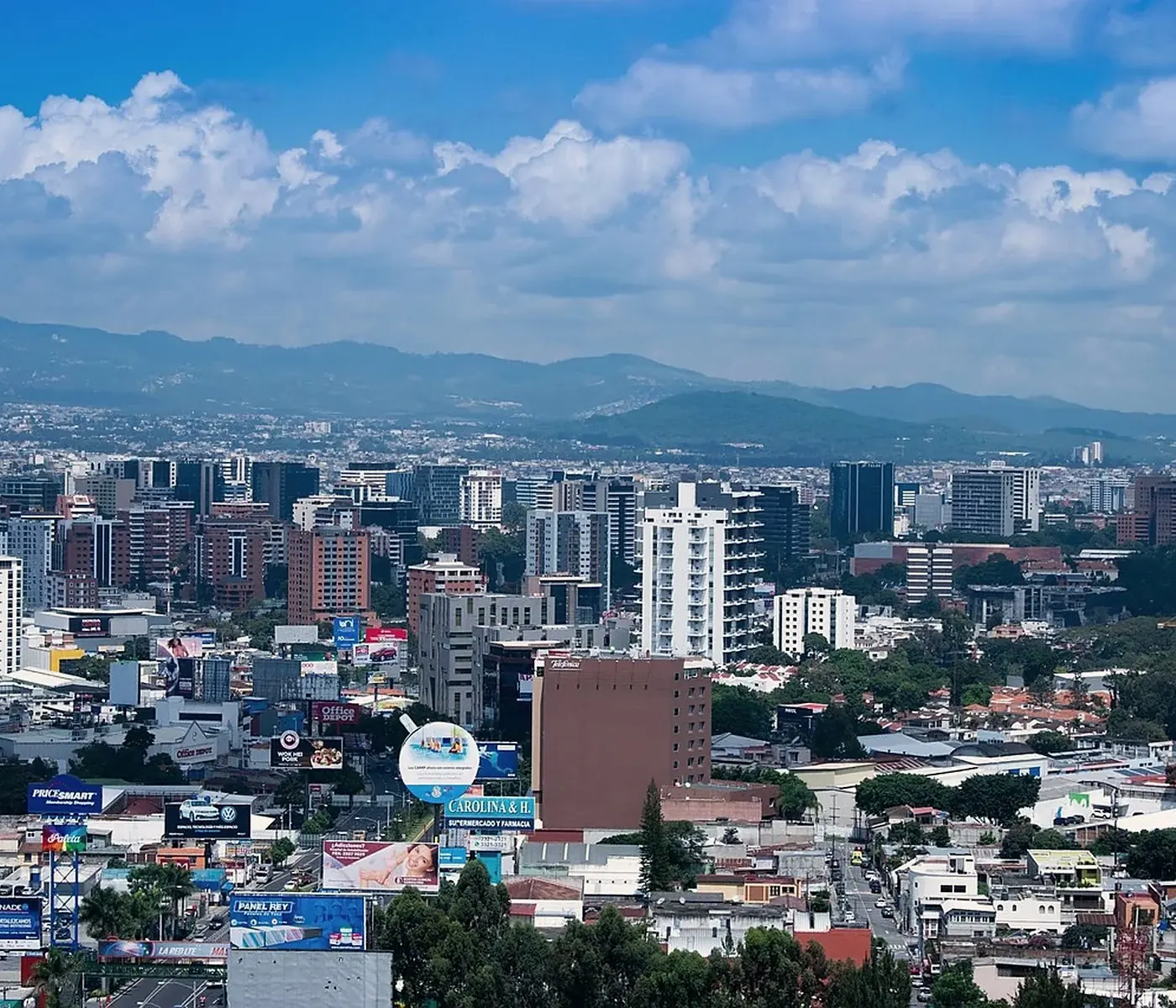
Central America's largest economy and a practical base for a regional commercial team. Strong agricultural export sector, an emerging manufacturing base and a short decision chain compared with the larger markets.
Suited to companies that want regional presence without the cost structure of Mexico or Colombia. Less suited to volume plays.
- 19MPopulation
- $123BGDP
- 1stLargest in Central America

Colombia
The route into the northern half of South America. Pacific Alliance membership, significant infrastructure spending and a services sector that has absorbed foreign entrants well. Bogotá, Medellín and Barranquilla behave as three distinct commercial markets.
- 53MPopulation
- $457BGDP
- 4thLargest in LatAm

Chile
The lowest-friction market in the region. Stable institutions, predictable procurement and a developed financial sector. Mining and its supply chain dominate industrial demand.
Small in absolute terms. Treat it as a proving ground or as a mining-sector play, not as a volume market.
- 20MPopulation
- $357BGDP
- 1stCopper producer worldwide
Four markets, covered properly
A recommendation that applies to Latin America as a whole is not a recommendation. Channel structure, regulation, partner quality and pricing differ enough between these markets that they need separate work.
United States
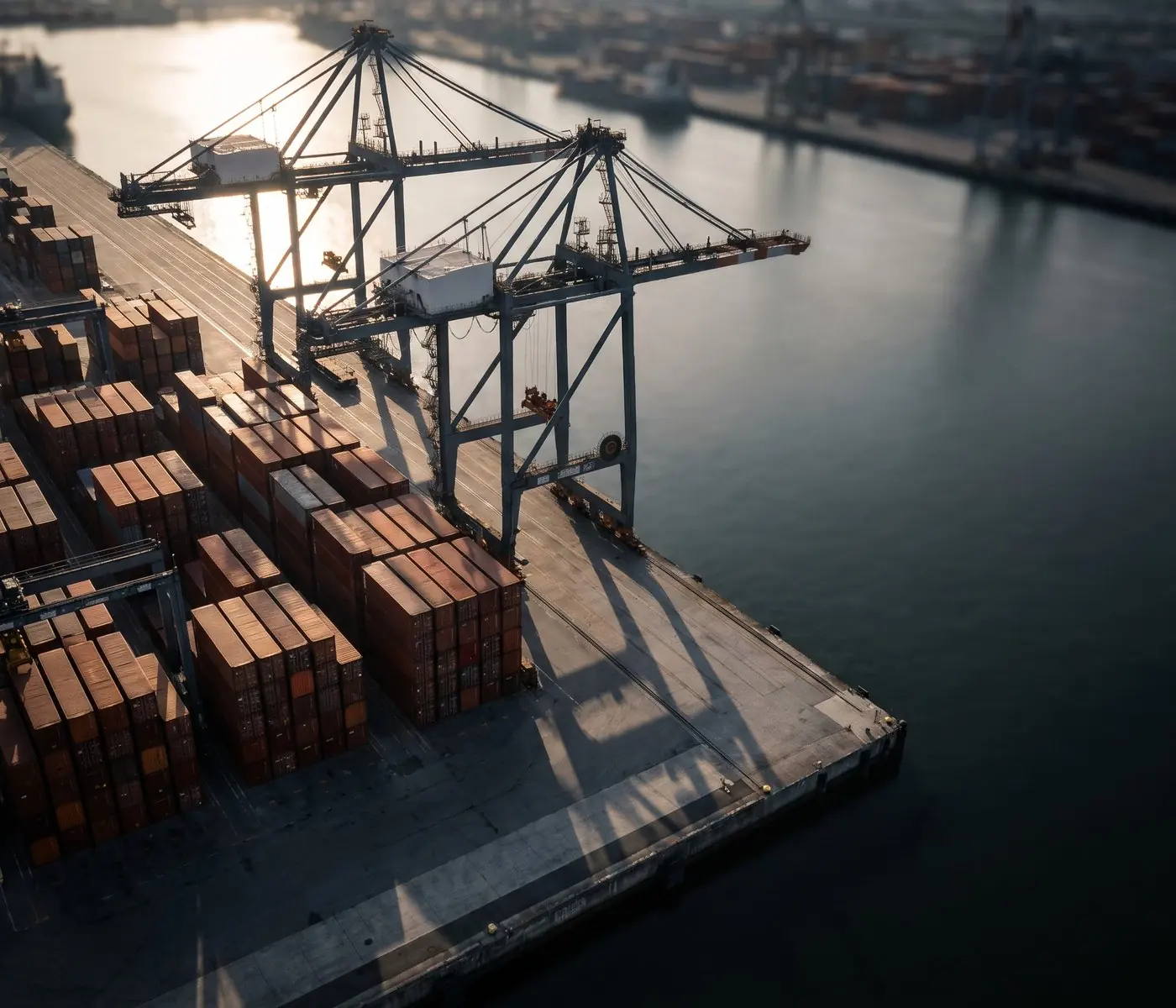
We cover the US where it connects to a Latin American strategy: nearshoring decisions, cross-border supply chains under USMCA, and companies using a US entity as the holding structure for regional operations.
- 342MPopulation
- $30.8TGDP
- 1stLargest worldwide
Considering a market not listed here?
Tell us which one and we will say what we can and cannot cover on it.
